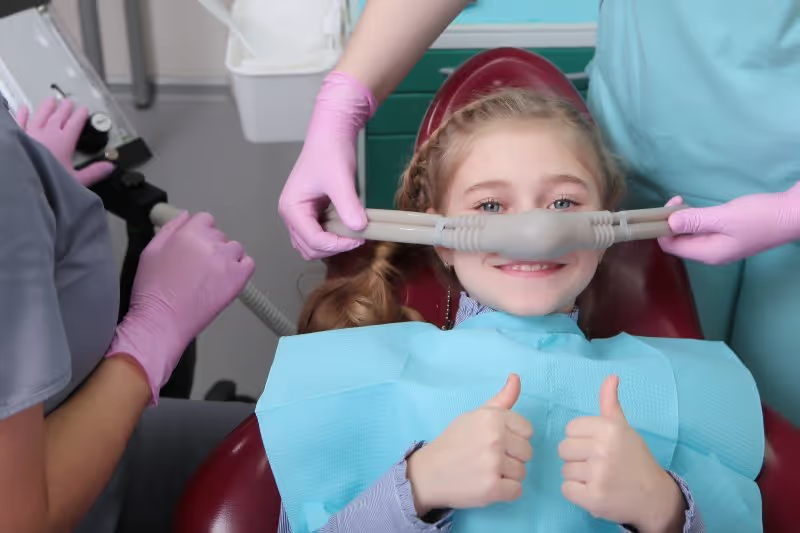
For children who are anxious at the dentist or have special needs, sedation dentistry can be a valuable tool. However, as a parent, you may have concerns about the safety of sedation for your child. It’s only natural to question everything when it comes to treatment for your tyke.
So, if you want to learn more about sedation dentistry and its safety for smaller patients, continue reading.
What Is Sedation Dentistry?
Sedation dentistry involves the use of medications to help children relax during dental procedures. It can range from mild sedation, using nitrous oxide gas to more moderate sedation using a pill. In both cases, your child will remain awake but calm, letting them communicate with the dentist while undergoing treatment.
The Safety of Sedation Dentistry
Safety is a top priority in sedation dentistry, especially for children. Dentists undergo specialized training to administer sedation safely. They carefully assess each child’s medical history before deciding the right type and dosage of sedation. This is part of what makes sedation one of the safest and most successful treatments in dentistry.
What Types of Sedation Are Available?
There are typically two types of sedation offered at most dental practices:
Nitrous Oxide: Also known as “laughing gas” this light, odorless, colorless gas is breathed in through a small nose mask. As it begins to take effect, it inhibits the signals going from your body to your brain. This dulls pain and the rest of the senses, creating a sense of calm.
Oral Conscious Sedation: This type of sedation is administered orally through a pill that your child will take before their appointment. It may make your child groggy and slow their perception of time. Your child will feel a deeper relaxation and may even become drowsy.
Sedation Dentistry Aftercare
After your child’s appointment, grogginess, uncontrolled laughing, or a slight feeling of nausea are all normal side-effects. Not every child will experience them, but if they do, it’s important to give them special care after their procedure.
- Keep an eye on them after their treatment to ensure they don’t bump into anything or fall down.
- Encourage them to stay hydrated and keep a bottle of water handy.
- Have them eat something bland like saltines or sugar-free apple sauce if they’re feeling nauseous.
- Give them plenty of time to rest if they need it after their appointment.
By following these tips and staying informed, you can help your child get the treatment they need in comfort. If you have more questions about the treatment, reach out to your dentist. They can provide more information so you can feel confident in your decision to pursue sedation dentistry for your child’s dental care needs.