If you wake up in the morning feeling more drained than when you fell asleep the night before, you might be suffering from sleep apnea. Those with this disorder experience pauses or blocks in their breathing, interrupting the natural cycles necessary for a good night’s rest.
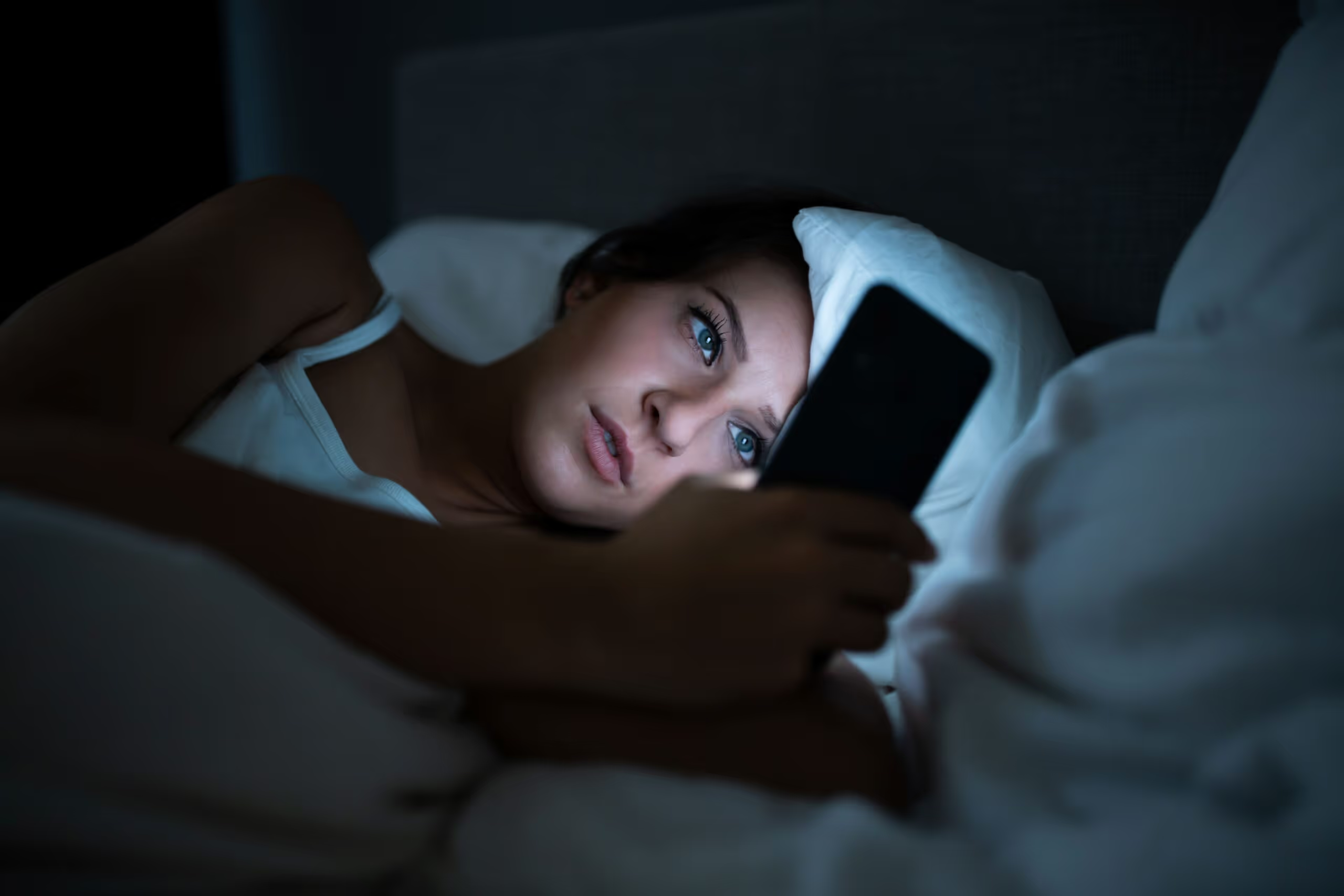
Many people browse social media on their phones, read digital book pads, or watch movies or shows to doze off more soundly, but these devices aren’t likely to improve your circadian rhythms. Continue reading to learn more about it!
How Does My Smartphone Impact My Sleep?
Did you know that the average adult body produces cortisol in the morning when the sun rises and then releases melatonin when daylight fades to prepare your body for rest? We have evolved this natural biological clock to ensure our systems perform the correct functions at the designated times throughout the day and night.
Unfortunately, backlit electronic devices like cell phones, readers, tablets, and computers emit a short-wavelength-enriched light, called blue light. This mimics UV rays in that it signals your brain to wake up, so exposure to it later in the day is known to delay your system’s melatonin production, making it harder for you to fall asleep. Not only that, but it also reduces the quality of rest once you do.
This is especially true for children using devices with screens before bed. Studies have shown that doing so increases their sleep latency, or the time it takes them to drift off. It also decreases the amount of time spent in slow-wave and rapid-eye movement (REM) sleep, which are imperative for cognitive functioning.
How Can I Minimize the Impact of Blue Light?
One simple but effective way to reduce your exposure to blue light is to minimize your screen time, especially in the evening before bed. You can also switch to lower lighting at night to trick your brain into producing the melatonin needed for sleep.
For example, instead of browsing your phone or watching your comfort show, why not read a book or magazine, listen to an album, or enjoy your favorite podcast? You can also mitigate the impact of blue light by wearing orange-tinted glasses that cancel it out. Some patients find it helpful to remove fluorescent or LED lights in their bedroom and switch them out for dimmer options that signal to their bodies that it’s time to rest.
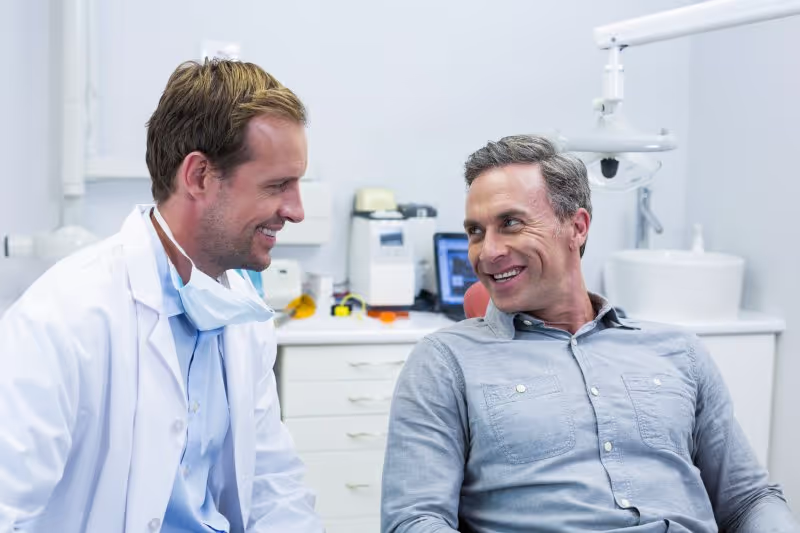
If you’re unsure whether your daytime exhaustion is due to sleep apnea, consulting with your dentist is the best next step to address your concerns!