TMJ/TMD Therapy in Savannah, GA
Jaw pain, tension, and discomfort can affect everything from eating to sleeping. At Compass Dental, Dr. Charles Fana provides personalized TMJ/TMD therapy to help restore comfort, function, and quality of life.
What is TMJ/TMD therapy?
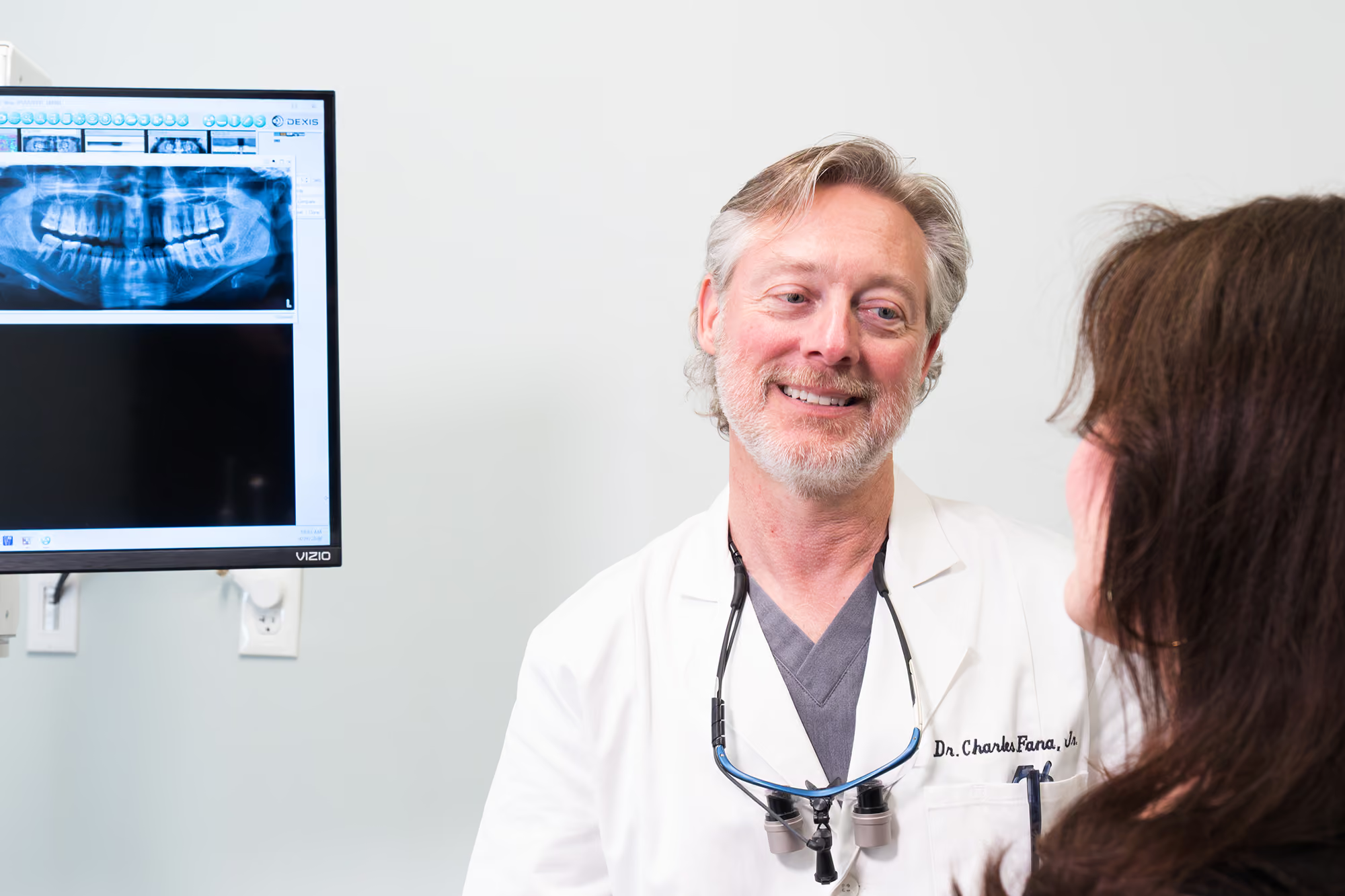
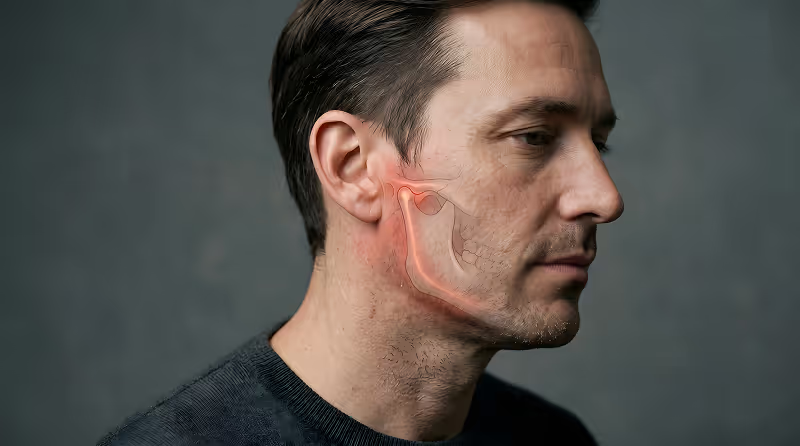
TMJ/TMD therapy addresses disorders of the jaw joint and surrounding muscles that can cause pain, headaches, facial soreness, clicking, or difficulty chewing. These issues are often related to clenching or grinding, bite misalignment, muscle tension, stress, or trauma. At Compass Dental, Dr. Fana takes a comprehensive approach to diagnosis and care. Treatment is personalized to reduce discomfort, improve jaw function, and support long-term oral health.
The benefits of TMJ/TMD therapy
TMJ/TMD therapy can significantly improve comfort and reduce chronic jaw-related symptoms by addressing the underlying cause of discomfort rather than just masking pain.
Relief from jaw pain and tension
Targeted therapy helps reduce muscle tightness, joint strain, and ongoing jaw discomfort.
Reduced headaches and facial discomfort
Improving jaw alignment and muscle balance often leads to fewer tension headaches and facial pain.
Improved jaw movement and function
Treatment supports smoother, more comfortable jaw movement for everyday activities like chewing and speaking.

Our TMJ/TMD therapy treatments
Occlusal Splints and Night Guards
Custom occlusal splints and night guards are designed to reduce strain on the jaw joint and surrounding muscles. These appliances not only protect the teeth from damage due to clenching and grinding but also offer therapeutic relief by helping minimize clenching and grinding, which are common contributors to TMJ discomfort. Each splint or guard is made to fit comfortably and support proper jaw positioning, playing a key role in relieving pressure on the joint.
Bite Evaluation and Adjustment
A detailed bite evaluation helps identify misalignment that may be placing uneven stress on the teeth. When appropriate, conservative adjustments are made to improve how the teeth come together. This can reduce muscle fatigue and joint strain over time. Treatment is carefully planned and tailored to your comfort.
Muscle and Joint Therapy
Muscle and joint therapy focuses on reducing tension and improving jaw mobility. Treatment may include targeted techniques to relax overworked muscles and support healthier movement. Care is customized based on your specific symptoms and areas of discomfort. The goal is lasting relief and improved function.
Botox® for TMJ Pain
Botulinum toxin (Botox) can be used therapeutically to help relieve TMJ-related muscle tension and discomfort. By relaxing overactive jaw muscles, Botox may reduce clenching, grinding, and associated pain. These trigger point injections are carefully administered and tailored to your symptoms, and many patients experience significant relief within a few weeks. The effects can last for several months, and treatment also helps reprogram the muscles to prevent recurring spasms.
The TMJ/TMD therapy process
Comprehensive evaluation
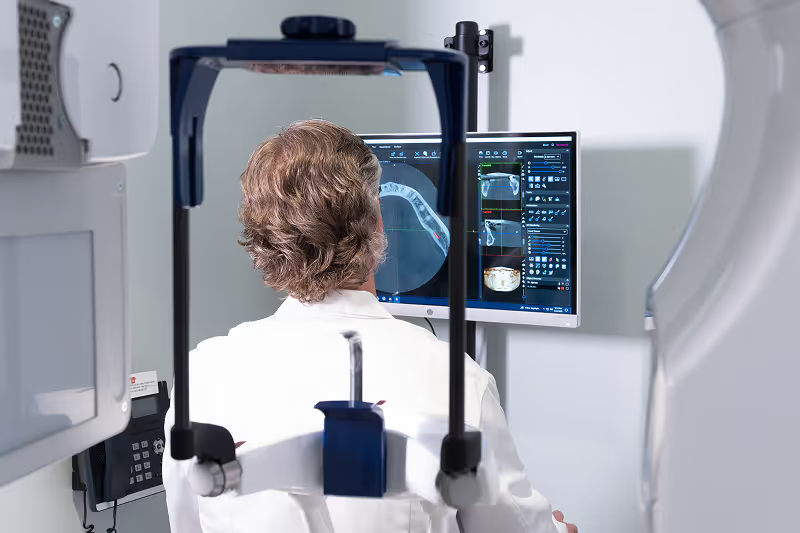
Your visit begins with a detailed assessment of your jaw, bite, symptoms, and the muscles of your head and neck. Dr. Fana will discuss your discomfort, habits, and medical history to better understand the cause of your TMJ/TMD concerns.
Personalized treatment planning
Based on your evaluation, we create a customized treatment plan designed around your needs. Options are explained clearly, and questions are encouraged so you feel confident moving forward.
Ongoing care and relief
TMJ/TMD therapy is designed to provide gradual, lasting improvement. We monitor your progress and adjust treatment as needed to support long-term comfort and function.
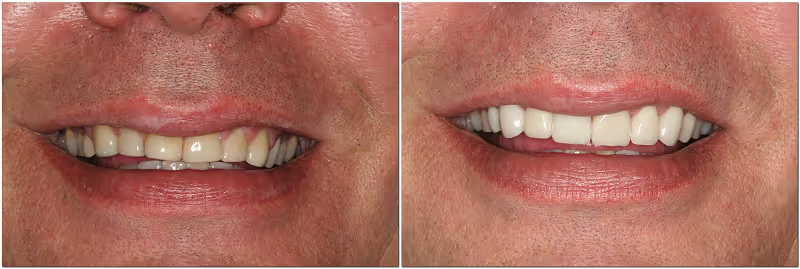
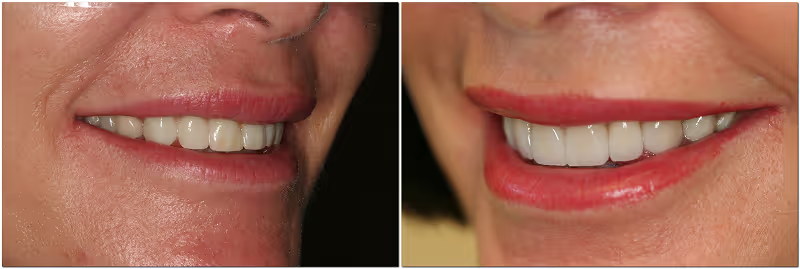
See how TMJ/TMD can transform a smile
Explore our before and after gallery to see real results from patients who chose Invisalign at Compass Dental.
Frequently asked questions
Below are answers to some of the most common questions we hear from patients.
Mild cases may improve with rest, stress reduction, and avoiding hard or chewy foods. However, persistent or worsening symptoms should be evaluated. Early treatment can help prevent long-term discomfort and joint damage.
If your headaches are accompanied by jaw pain, clicking, clenching, or facial tension, they may be related to TMD. Many patients experience tension headaches caused by overworked jaw muscles. A comprehensive evaluation can help determine whether your symptoms are connected to your jaw joint.
The goal of treatment is long-term relief and improved jaw function. Many patients experience lasting improvement with conservative therapies like oral appliances and bite correction. Ongoing maintenance and addressing contributing factors, such as stress or teeth grinding, help support continued results.

Still have questions?
Call us for more information or to schedule an appointment.