Do you frequently wake up with headaches? Is lockjaw a common part of your day? Is it difficult to chew due to jaw pain? You likely have temporomandibular joint (TMJ) disorder, also called TMD. The TMJ is a set of hinges that are highly complex, so when there is an imbalance, you will notice various uncomfortable symptoms. Fortunately, there are multiple treatment options out there, including the use of BOTOX to treat TMD. Continue reading to learn more about BOTOX and how it can give you some relief.
How Does BOTOX Work?
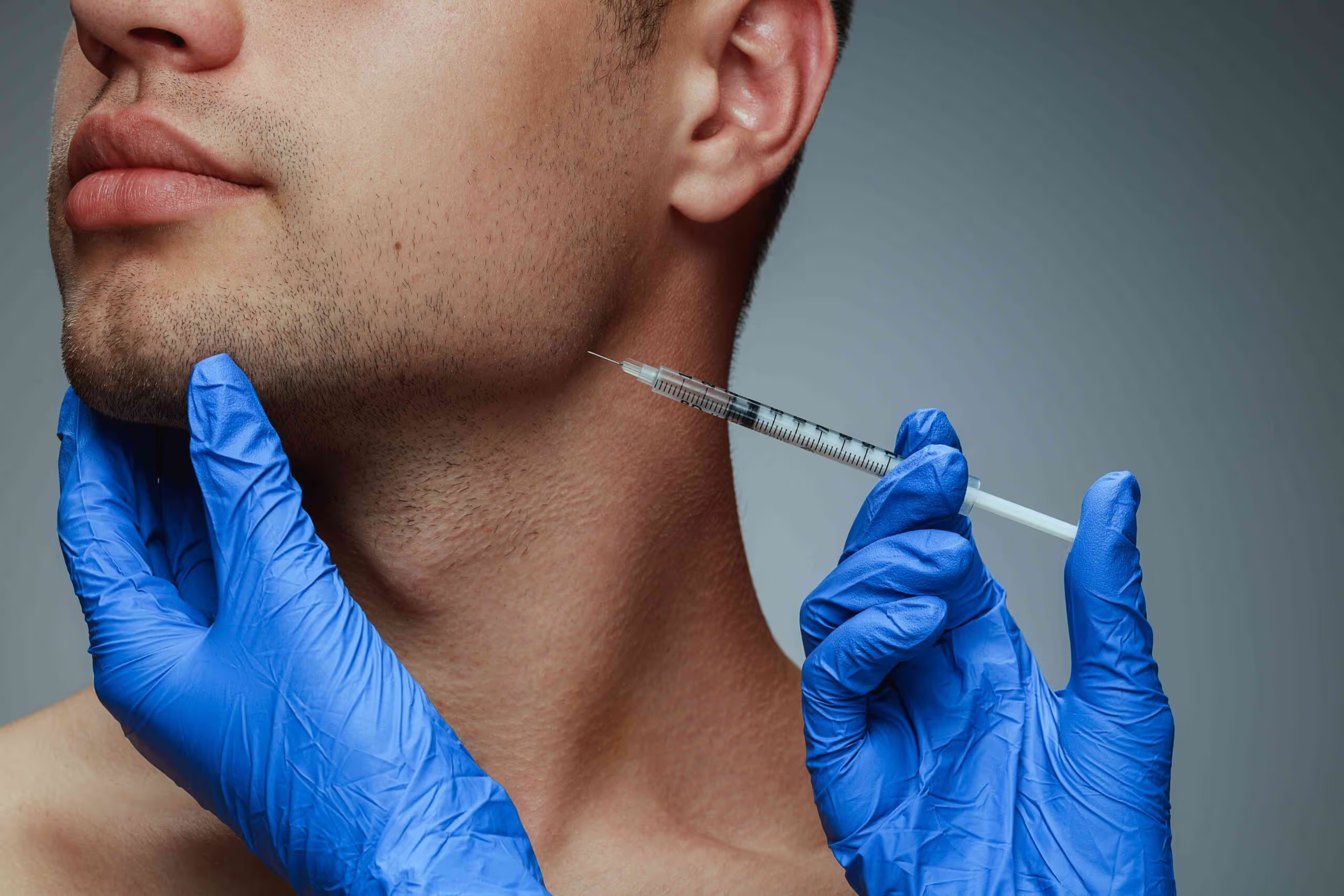
BOTOX is a drug that is made from a toxin produced by the bacterium, Clostridium botulinum. BOTOX injections work by weakening or paralyzing the muscles or by blocking certain nerves. These effects can last anywhere from three to twelve months depending on the area being treated. A lot of the time, BOTOX injections are used to temporarily smooth the appearance of facial wrinkles. However, it has some other uses – like for TMJ treatment.
How Does BOTOX Treat TMD?
When the TMJ is displaced or overworked, one can experience severe tension headaches, pain, lockjaw, and more. BOTOX can be used as an alternative treatment for TMJ disorders and associated pain. When injected into uncomfortable facial muscles, BOTOX can help to relieve the tension that is present, helping to reduce symptoms. This is because BOTOX makes the muscles unable to engage in powerful, unconscious movement of the jaw that produces headaches and pain. These injections can reduce the number of headaches experienced resulting from teeth grinding and even minimize the occurrence of lockjaw.
What to Expect for BOTOX Treatment
After the BOTOX has been injected, muscle tenderness will begin to disappear almost right away. You may experience temporary bruising, numbness, or redness around the injection site, but this will subside. Since this treatment is non-surgical and non-invasive, you should be able to return to your normal activities right away. Most patients experience noticeable improvement within one or two days of their first treatment. However, for some patients, achieving relief can take about a week.
Who Is a Good Candidate for BOTOX Treatment?
If you suffer from muscle spasms, jaw tension, and pain in the face due to strained joints and muscles, BOTOX treatment may be able to help. It is generally recommended for those with the following symptoms:
- Jaw discomfort and tenderness
- Limited mobility of the jaw
- Difficulty chewing
- Earaches or ringing in the ears
- Frequent headaches
You don’t need to put up with jaw pain and frequent headaches. If you are experiencing these issues, reach out to your dentist. BOTOX for TMJ may be the solution that you’ve been looking for.