Completing your Invisalign treatment is an exciting milestone—you’ve invested time and effort into achieving your new, straight smile. But before you pack away those aligners for good, there’s one more step to maintain your results: wearing a retainer. Many patients wonder how long they’ll need to wear a retainer after Invisalign, and the answer depends on how your teeth respond over time. Let’s break it down so you know what to expect and why it’s so important.
Why Retainers Are Essential After Invisalign
When your Invisalign treatment ends, your teeth may look perfectly aligned, but they aren’t entirely stable yet. Throughout treatment, your aligners gradually shift your teeth into new positions, and it takes time for the surrounding bone, ligaments, and gums to adapt. Without a retainer, your teeth can slowly drift back toward their original spots, undoing months (or years) of progress.
That’s where a retainer comes in. Retainers hold your teeth in their new positions long enough for your mouth’s supporting structures to “lock in” the alignment. Think of it as the finishing step that preserves your beautiful new smile.
The Typical Retainer Schedule After Invisalign
Most dentists and orthodontists recommend the following timeline after Invisalign treatment:
Full-Time Wear (First 3–6 Months)
Immediately after finishing Invisalign, you’ll likely wear your retainer full-time—around 20–22 hours per day, just like your aligners. This helps your teeth stabilize during the critical early months. You’ll remove it only to eat, drink, brush, and floss.
Nighttime Wear (After 6 Months)
Once your dentist confirms your teeth are stable, you can transition to wearing your retainer only at night. This phase typically lasts for several years, though some people choose to wear their retainers nightly indefinitely for extra protection.
Long-Term Maintenance (Ongoing)
Over time, your teeth can naturally shift due to aging, bite pressure, or habits like teeth grinding. To prevent future movement, many dentists recommend lifelong nighttime retainer wear. Think of it like brushing your teeth—it’s a small daily habit that helps preserve your smile for decades.
Types of Retainers You Might Use
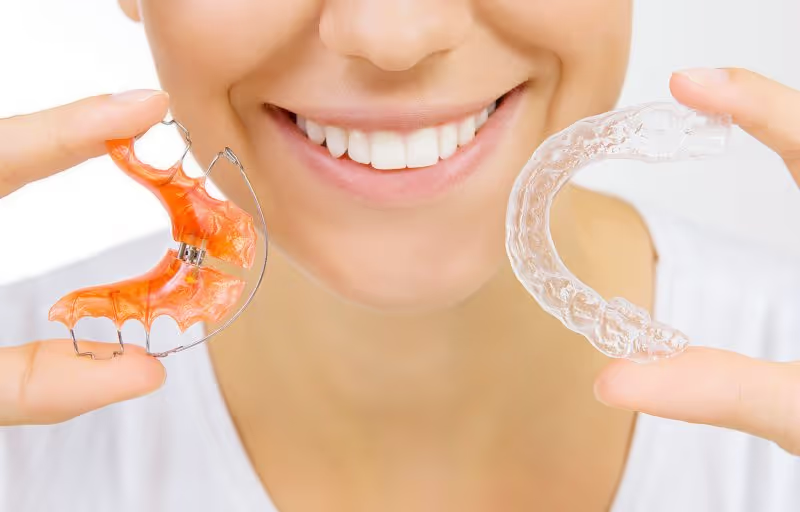
After Invisalign, you’ll likely receive a Vivera retainer, made by the same company that produces Invisalign aligners. These clear, custom-made retainers look similar to aligners but are thicker and more durable.
Other types include:
- Hawley retainers: Made of acrylic and metal wire, these are removable and adjustable.
- Permanent (fixed) retainers: A thin wire bonded to the back of your teeth, offering continuous support without needing daily wear.
Your dentist will recommend the best option based on your alignment and lifestyle.
Tips for Retainer Success
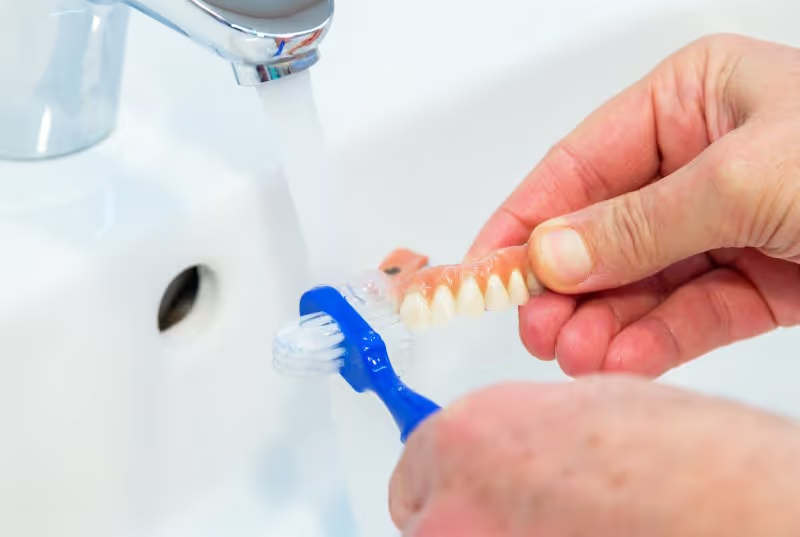
- Clean your retainer daily to prevent bacteria buildup.
- Store it in a case when not in use to avoid damage or loss.
- Replace it when it becomes worn or cracked.
- Keep up with regular dental visits to monitor your alignment.
Wearing a retainer after Invisalign isn’t just a recommendation—it’s a crucial step in maintaining your results. Expect to wear it full-time for the first few months and then nightly long-term. By following your dentist’s instructions and staying consistent, you’ll keep your smile straight, healthy, and stunning for years to come. Your Invisalign journey may be complete, but your commitment to your new smile is just beginning.